Should premium beauty brands sell through multi-brand retail chains?
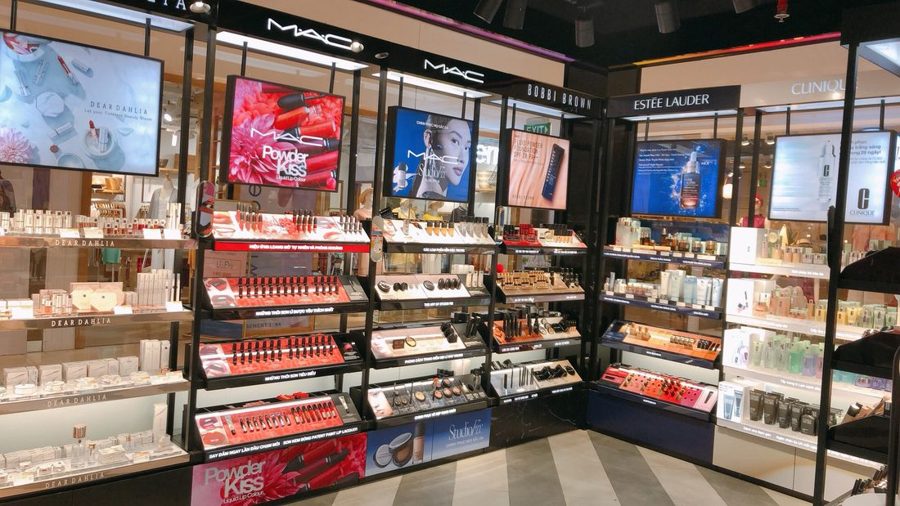
Young consumers buy beauty very differently from the generation before them. They read ingredient lists, check reviews and compare several brands on the same shelf before they decide. Multi-brand beauty chains are where that journey now happens. So the question for premium brands is simple: does stepping onto a shared shelf dilute the brand?
The fear of “down-branding” is real, but usually misplaced
Premium brands worry about standing next to dozens of competitors, being compared on price, and losing the one-to-one consultation that is the strength of their own counters. That fear is justified if a brand simply copies its counter playbook onto a shared shelf.
The bigger risk lies elsewhere: being absent from the shopping journey of the next generation of customers. When young shoppers discover and choose their first brand on a shared shelf, any brand that is not there never gets to start the conversation.
Change the question: what is the shared shelf for?
Instead of asking “should we enter multi-brand retail?”, ask “what role does this channel play in the customer journey?”. For us the answer was clear: the shared shelf is the first touchpoint, where new customers are recruited, not a replacement for the brand’s own counters.
- Shared shelf: discovery, trial and first purchase.
- Brand counters and the brand’s own channels: expert consultation, the full range and loyalty care.
When each channel has a clear role, they reinforce each other instead of competing.
Three decisions that made the difference
1. The right range for a new behaviour
We selected the lowest-priced products in each range, in mini and trial sizes. Young customers could try first, trust later, and only then invest in full-size products. A low entry price removes the biggest barrier to the first purchase.
2. Merchandising for self-selection
On a shared shelf, shoppers rarely wait for an adviser. The information has to sit on the shelf itself: what the product solves, which skin type it suits and how to use it. At the same time, each brand keeps its own visual standards so it does not blend into the crowd.
3. Experience at the point of sale
In-store activations turn the first trial into the first purchase. It is also the moment a brand tells its story to people who have never heard of it.
The result: more than 5,000 new young customers in the first month
When we brought Estée Lauder, M·A·C, Bobbi Brown and Clinique into Beauty Box and Hasaki, our team recorded more than 5,000 new young customers for the four brands in the very first month, and opened in 6 locations in a row within six months.*
A multi-brand shelf does not dilute a premium brand. It is the first door, where the customers of the next ten years begin their story with the brand.
Four questions before entering multi-brand retail
- What role does this channel play in the brand’s customer journey?
- Which products are the right entry point in price and size?
- How will customers move on from the shared shelf to the brand’s counters and own channels?
- Which metrics will you track: new customers, repeat-purchase rate and channel migration, not just sales?
* Internal figures from the JHY founding team’s previous roles; not a JHY client project.